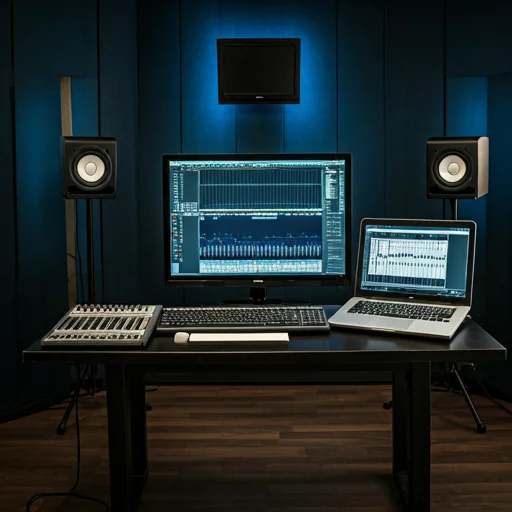
Sound engineering student at workstation — Studio Smart One Academy
FOUNDATION COURSE · BEGINNER FRIENDLY

Sound Engineering
Course in Surat

A complete 3 Months foundation in audio — taught inside a working studio, by engineers who actually run sessions for a living. Start from zero. Walk out fluent in the room.

Enquire Now Talk to an Advisor

From ₹25,000

3 Months · EMI AVAILABLE

THE COURSE

Start From Zero. Build a Foundation.

The Sound Engineering Course is a structured introduction to professional audio. Across 3 Months, you go from "what is a microphone" to running your own recording session — comfortably, repeatedly, and with judgment.

You'll learn the same workflow our engineers use on commercial sessions: capturing clean audio, organizing a project, listening critically, making technical decisions under deadline. Theory shows up only when it explains a hands-on choice.

schedule
Duration
3 Months
school
Level
Beginner
fitness_center
Practical
70%
groups
Cohort
Small Batch
Production workstation with dual monitors and MIDI controller
school
FOR WHOM

Built for First Steps in Audio

Whether you're starting fresh or you're a musician who finally wants to understand the room — this is the right entry point.

school

Complete Beginners

Never touched a mic or a DAW — this course starts at the very basics.
mic

Musicians

Singers, instrumentalists, and bands wanting to record themselves better.

engineering

Aspiring Studio Engineers

Treating audio engineering as a career path. Foundation matters.

video_camera_front

Content Creators

YouTubers, podcasters, and Reels creators who want better audio control.

piano

Producers Seeking Depth

Beat-makers and producers who want technical understanding under their craft.

explore

Career Explorers

Curious about audio as a profession — start here, see if it sticks.

home

Home-Studio Users

Bedroom producers wanting proper fundamentals, not YouTube fragments.

auto_awesome

Serious Hobbyists

Audio is your hobby — but you want to take it seriously now.

info

Already record at home? You're still welcome.

Many of our students are self-taught and join because they want to fill in the technical gaps they've been working around. The course assumes nothing.

LEARNING THEMES

Ten Areas Every Student Covers

Every theme is paired with hands-on time at the console, mic, or DAW. Knowing it isn't enough — you'll do it.

graphic_eq

Basics of Sound

route

Signal Flow

mic

Microphones

mic_external_on

Recording Workflow

computer

DAW Familiarity

meeting_room

Studio Sessions

speaker

Monitoring

build

Problem Diagnosis

hearing

Critical Listening

task_alt

Session Discipline

THE PROGRESSION

Curriculum, Module by Module

Eight modules, paced over the course duration. Each module ends with a practical assignment — graded against real-session standards.

01 graphic_eq

Sound, Audio & Studio Basics

Foundations of how sound works and how a studio captures it.

add

Topics covered

  • arrow_right Physics of sound (frequency, amplitude, phase)
  • arrow_right How analog and digital audio differ
  • arrow_right Studio anatomy: control room vs live room
  • arrow_right Listening hygiene and ear training
02 route

Recording Chain & Signal Flow

Tracing audio from source to file — the engineer's mental map.

add

Topics covered

  • arrow_right Microphone → preamp → converter → DAW
  • arrow_right Gain staging at every stage
  • arrow_right Cabling, patch bays, and routing
  • arrow_right Common signal-flow problems and fixes
03 mic

Microphones & Placement

Choosing the right mic and putting it in the right place.

add

Topics covered

  • arrow_right Dynamic vs condenser vs ribbon
  • arrow_right Polar patterns and proximity effect
  • arrow_right Placement for vocals, instruments, drums
  • arrow_right Hands-on mic shootouts
04 computer

DAW & Session Workflow

Pro Tools, Logic Pro X, and Ableton Live — fluency in the tools.

add

Topics covered

  • arrow_right Session setup, templates, file organization
  • arrow_right Tracking, comping, and basic editing
  • arrow_right Plugin chains and routing
  • arrow_right Backup and version control
05 cut

Editing & Session Management

Cleaning takes, comping vocals, and keeping a session shippable.

add

Topics covered

  • arrow_right Comping vocals from multiple takes
  • arrow_right Time alignment and tuning basics
  • arrow_right Session naming and labeling discipline
  • arrow_right Working with multi-track recordings
06 speaker

Monitoring & Listening

Building trustworthy ears and reference habits.

add

Topics covered

  • arrow_right Studio monitor calibration basics
  • arrow_right Headphones vs monitors — when to use which
  • arrow_right A/B reference listening
  • arrow_right Critical listening exercises
07 equalizer

Mixing Awareness

Beginner-level mix concepts — enough to make smart capture choices.

add

Topics covered

  • arrow_right EQ, compression, and reverb at conceptual level
  • arrow_right How recording decisions shape mix outcomes
  • arrow_right Mix bus thinking
  • arrow_right Translation across playback systems
08 workspaces

Final Project & Practical Studio Exercises

A real recording project, start to finish, supervised by an engineer.

add

Topics covered

  • arrow_right Plan and execute a tracking session
  • arrow_right Edit, comp, and prepare a basic mix
  • arrow_right Present and defend technical choices
  • arrow_right Receive feedback graded against industry standards
HOW LEARNING HAPPENS

Five Ways You'll Actually Learn

70% of class time is hands-on. The rest is structured around making the hands-on time meaningful.

01 mic_external_on

Live Recording Sessions

You record real artists — sometimes fellow students, sometimes invited musicians. Mic placement, gain staging, take direction — all under instructor supervision.

02 visibility

Shadow Real Sessions

When commercial sessions allow, students observe full sessions silently — watching how decisions get made under deadline. Followed by a debrief.

03 fitness_center

Targeted Studio Exercises

Each module has dedicated exercise time — mic shootouts, comping practice, mix translation tests, monitoring calibration. Graded against rubrics.

04 rate_review

1-on-1 Mentor Reviews

Every two weeks, a 30-minute review with your mentor. Listen to your work together, identify patterns, set goals for the next sprint.

05 workspaces

Final Capstone Project

Plan, record, edit, and prepare a basic mix for a complete song or podcast — from session prep to delivery. Defended in a final review.

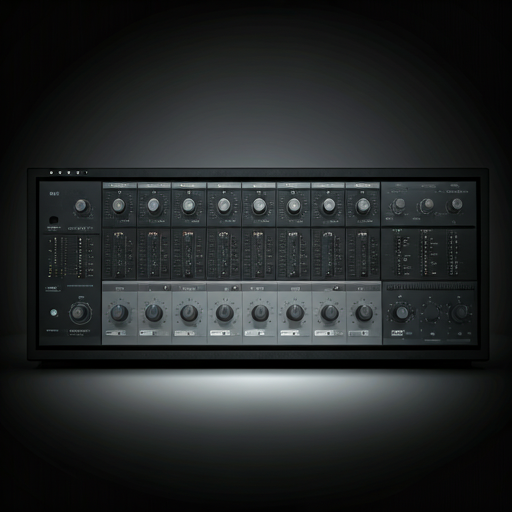
Studio control room Outboard rack
Production desk Vocal booth
THE LEARNING ENVIRONMENT

You Learn on the Same Gear We Work On

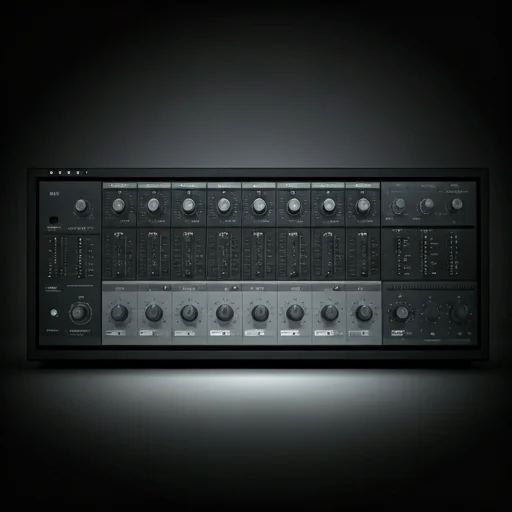
No "training kit" with junior gear. No lab full of midi keyboards. The same Universal Audio chain, the same Neumann mics, the same Pro Tools rig that a paid session uses on a Tuesday is what you train on every Thursday.

meeting_room

Recording Setup

Decoupled vocal booth + treated control room

speaker

Monitoring

Genelec 8341A SAM + Yamaha HS8 reference

mic

Microphones

Neumann U87, AKG C414, Shure SM7B, Rode NTK

computer

Workstation & DAWs

iMac Pro · Pro Tools HD · Logic Pro X · Ableton Live

cable

Session Tools

Pop filters, shock mounts, music stands, XLR cabling

graphic_eq

Treated Studio Acoustics

Float walls, silent ventilation, RT60-tuned room

AFTER GRADUATION

Eight Things You'll Be Able to Do

Realistic, demonstrable outcomes — not career promises. What you walk out comfortably doing on your own.

meeting_room

Run a Studio Session

Set up, capture, and manage a basic recording session from start to delivery.

tune

Set Up Recording Chain

Configure mic, preamp, interface, monitoring — and troubleshoot when something fails.

rate_review

Make Smart Capture Choices

Choose the right mic, place it well, set proper gain — based on the source.

forum

Talk Audio Confidently

Speak fluently about signal flow, gear, and session decisions to producers and clients.

folder_open

Organize a Session

Name, label, structure, and archive sessions in a way other engineers can pick up.

hearing

Listen Critically

Identify masking, phase issues, harshness, and tonal imbalance in any recording.

computer

Use Pro Tools / Logic

Comfortable working in at least two DAWs at intermediate proficiency.

school

Continue to Specialize

Strong enough foundation to confidently take Mixing & Mastering or work freelance.

WHY HERE

Why Take This Course at Smart One

Six advantages that separate this course from theory-heavy classroom institutes.

workspace_premium

Real Studio, Not a Lab

You learn inside the same room that records commercial releases — not a purpose-built training lab.

engineering

Working Engineer Mentors

Instructors are active engineers handling real sessions — they teach the way the work actually gets done.

fitness_center

70% Practical

Most class hours are at the console, mic, or DAW. Theory shows up only when it explains a hands-on choice.
groups

Small Cohorts

Capped batch sizes — every student gets meaningful console time, not just observation.

verified

Industry-Recognized

Completion certificate is recognized in our Surat and Mumbai partner network.

support_agent

Direct Mentor Access

WhatsApp access to your mentor for the duration of the course — questions get answered fast.

FROM PAST BATCHES

What Sound Engineering Graduates Walked Out With

format_quote

“Studio Smart One has the best acoustic setup I have experienced in Surat. The engineers truly understand the artist's vision.”

R
Rahul Sharma
Playback Singer
format_quote

“I recorded my entire album here. The sound quality is exceptional and the team is incredibly professional and supportive.”

P
Priya Patel
Film Music Composer
format_quote

“The voice recording booth is perfectly isolated. Crystal-clear recordings every time. My go-to studio in Surat.”

K
Karan Mehta
Voice Over Artist
BEFORE YOU ENROLL

Sound Engineering FAQs

I have zero audio experience. Can I really start here? add
Yes — the course is designed exactly for that. About 50% of every batch are complete beginners. We start at "what is sound" and "what is a microphone" — no prior knowledge expected.
Do I need to bring my own equipment or laptop? add
For class hours: no — the studio provides everything. For homework and self-practice between classes: a basic laptop helps but isn't mandatory in the first month. We guide you on what to buy if/when you need it.
What's the difference between this and the Mixing & Mastering Course? add
Sound Engineering is the foundation — recording, signal flow, microphones, DAW basics, beginner mixing concepts. It's 3 months long and assumes nothing. Mixing & Mastering is a 6-week specialization that assumes you already have a foundation. Take this one first if you're unsure.
How practical is the course really? add
70% of class hours are hands-on. Every module ends with a practical assignment. There's a final capstone project where you plan, record, edit, and present a complete session. Theory exists only to support the hands-on work.
What will I actually learn that I can't learn from YouTube? add
Structured progression, instant feedback on your work, real-room listening (not phone speakers), troubleshooting under pressure, and a network of working engineers. YouTube fragments don't add up to a foundation.
Can I join if I'm a musician/creator without technical background? add
Absolutely — about 30% of every batch are musicians who join because they want to understand the technical side of their own recordings. The course doesn't assume any musical or technical background.
Do I need to know about microphones or DAWs before joining? add
No. We assume zero. By the end of Module 4 (DAW & Session Workflow) you'll be comfortable in Pro Tools, Logic Pro X, and Ableton Live at an intermediate level. Microphone fundamentals are taught in Module 3.
How do I enquire or enroll? add
Click "Enquire Now" or message us on WhatsApp at +91 98765 43210. An advisor will call back within 24 hours with batch dates, fee details, EMI options, and any pre-enrollment questions.
Is there a guidance call before enrolling? add
Yes — we offer a free 15-minute advisor call before any enrollment. We listen to your goals, confirm whether this course fits, and clarify anything about the curriculum. No pressure to enroll.
Will this course prepare me for a career in audio? add
It builds the foundation. Whether you turn that into a career depends on consistent practice and follow-up specialization (mixing, mastering, production). Many of our graduates start freelance work or assist at partner studios within 6–12 months.
How is the course graded? add
Each module ends with a practical assignment graded against rubrics built from real-session standards. There's a final capstone defended in front of mentors. Pass criteria are shared upfront so you always know where you stand.
What happens if I miss a class? add
Recordings of theory portions are shared. Hands-on sessions can be made up in dedicated catch-up slots with the mentor — we work around real-life events as long as you stay in communication.
Is the certificate recognized professionally? add
It's recognized within our partner network — Surat studios, Mumbai connections, and freelance opportunities we route to graduates. Outside that network, your portfolio (the work you produce during the course) carries more weight than the certificate.
When do new batches start? Is there a waitlist? add
New Sound Engineering batches start every 6–8 weeks. If a batch is full, we add you to a priority list for the next one. Advisor confirms exact dates during the enquiry call.
Are EMI or installment options available? add
Yes — flexible EMI options through our finance partners. Most students opt for 3-month or 6-month installment plans. Verified college students also get a 10% discount on the full fee.
NEXT BATCH OPENING SOON

Start From Zero.
Build the Foundation.

Reserve your seat in the next Sound Engineering batch. Speak to an advisor first — they'll confirm if this is the right course for your goals.

Free 15-minute advisor call. EMI options available. Student discount on enrollment.